Written by Natasha Clough
The 2026 BAFTA shortlisted nominations are here, with expected names and a few surprises. Taking place before the Oscars, the British Academy Film Awards show is often looked to as an indicator for the big wins at the Hollywood ceremony. Still, the BAFTAs often have interesting variations, left-field choices and a reputation for championing British cinema.
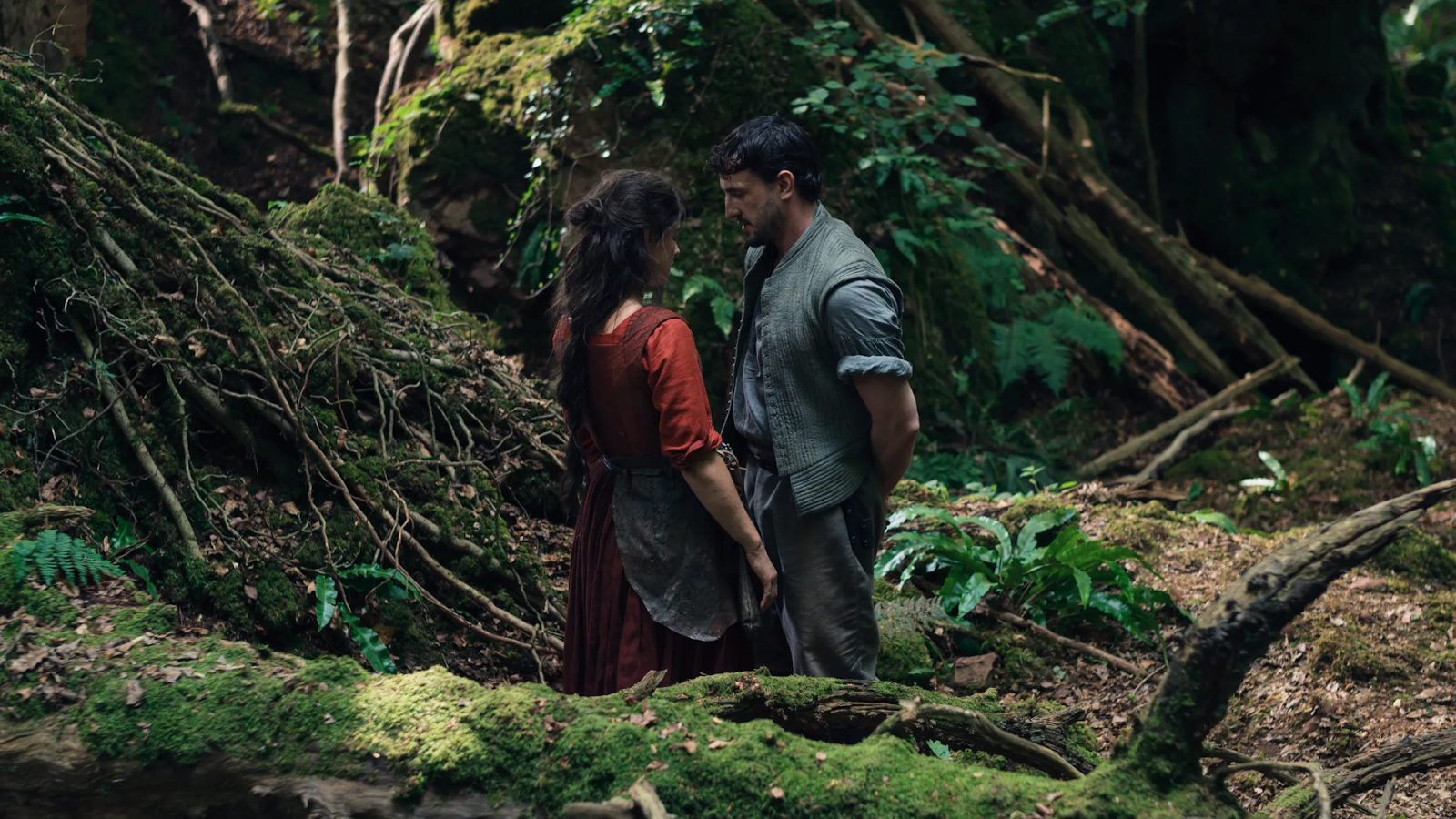
Chloé Zhao’s Hamnet has made history with 11 nominations, the highest number for a female-directed film at the BAFTAs. This includes Best Film, Adapted Screenplay, Leading Actress, Supporting Actor and Supporting Actress. Adapted from Maggie O’Farrell’s novel, it follows a devastating loss in the Shakespeare family, imagined to have inspired one of the playwright’s greatest works: Hamlet. Jessie Buckley’s performance as Agnes Shakespeare seems destined for the Leading Actress win with her raw portrayal of grief and love, which is the emotional anchor of the film. Paul Mescal has also managed to secure a supporting actor nomination for his role as William Shakespeare after missing out on the Oscars.

Despite the number of nominations for Zhao’s film, other female filmmakers have not received as much recognition in BAFTA’s major categories. She is the only woman nominated for Best Director. The shortlist has eliminated four female longlist nominees, including Lynne Ramsey (Die My Love) and Kaouther Ben Hania (The Voice of Hind Rajab). The latter film has been nominated for Film Not in the English Language. Ben Hania’s docudrama is a powerful and heartbreaking reconstruction of an emergency phone call Red Crescent volunteers received from a young Palestinian girl trapped inside a car in Gaza. However, female directors have received more nominations in other awards categories.

For Best Director, film bro favourite Paul Thomas Anderson has, of course, secured his place for One Battle After Another – the most nominated film at 14. Ryan Coogler joins him for Sinners, the second-most-nominated film with 13 nominations. Josh Safdie (Marty Supreme), Joachim Trier (Sentimental Value) and Yorgos Lanthimos (Bugonia) complete the list. The Best Film category has the same films nominated as those in the Best Director category, excluding Bugonia. Sinners has also made history as Ryan Coogler’s vampire horror has become the most-nominated film by a Black director at the BAFTAs.

The BAFTAs are bound to have very similar nominations in terms of the major films on the awards circuit, with many of these also dominating the Oscars. However, it also has unique award categories that allow smaller or more underrated picks to be highlighted. The Outstanding British Film category has nominated 3 female-directed films: Lynne Ramsey’s Die My Love, Philippa Lowthorpe’s H Is For Hawk and Chloé Zhao’s Hamnet. It’s a shame that Ramsey’s visceral and surreal exploration of postpartum depression has been otherwise overlooked at awards season, but this is where the BAFTAs proves that it is a step ahead the rest. Jennifer Lawrence’s performance in Die My Love, in particular, channelled a volatile intensity worthy of recognition. Other films in the category include: 28 Years Later, The Ballad of Wallis Island, Pillion and Steve. The most popular amongst the academy seems to be I Swear, given 4 other nominations. The biographical dramedy follows the real-life Scottish Tourettes activist John Davidson.
Another unique awards category to look out for is Outstanding Debut by a British Writer, Director or Producer. The nominees are: The Ceremony, My Father’s Shadow, Pillion, A Want In Her and Wasteman. The films here show incredible variation in genre and topic, ranging from BDSM biker romance (Pillion) to prison thriller (Wasteman). Myrid Carten’s documentary (A Want In Her) explores her own strained relationship with her mother, characterised by a cycle of addiction. By contrast, Akinola Davies Jr.’s My Father’s Shadow is a coming-of-age drama following two brothers in 1993 Lagos. His personal filmmaking blends an intimate family narrative with national history. Each nomination constitutes recognition of compelling debut filmmaking.
Lastly, we can’t forget one of BAFTA’s most exciting awards: the Rising Star. The only award chosen by the public, it recognises up-and-coming acting talents in the industry. Previous winners have included Daniel Kaluuya, Kristen Stewart and Jack O’Connell- proving it to be a marker of future stardom. This year the nominees are: Robert Aramayo (I Swear), Miles Caton (Sinners), Chase Infiniti (One Battle After Another), Archie Madekwe (Lurker) and Posy Sterling (Lollipop). You can vote for this now, up until the 20th February.
The BAFTAs take place on Sunday, 22 February.
Leave a Reply