Written by Mimi Cotton
What do Marie Antoinette, Mary Shelley and Britney Spears have in common?
On the surface, these three women’s lives seem worlds, and centuries, apart. Yet, despite their differences, they have all been ridiculed, judged and shamed by the media. It is easy to think the constant scrutiny of women in the public eye is a modern invention, fueled by an obsession with Hollywood stars and social media but unfortunately it is somewhat of a tradition in our collective culture. From royal courts and political gossip to trashy tabloids, we have always had a taste for painting women in the worst possible light.
This culture of shame has been well practiced throughout history. For example, picture Marie Antoinette: I’m sure you’re imagining extravagant dresses, luxurious parties, arrogance and a selfish, spoiled attitude. Does “let them eat cake” ring any bells? This image of her has lasted beyond her lifetime. Even during her life she was depicted in the media drawn as a monstrous creature, destroying France. It is clear she had political faults but why do we not equally remember the girl sent to France to marry the future king at just fourteen. She was also described as a “gentle” and “devoted” mother. So why is it that we never see this person in the media?. Instead, she has been made into the personification of the cruelty of the upper classes. The way we shame her is a reflection of what she was made to represent rather than who she was as an individual.
Women who we feel are respected as historical figures are not immune to the cruel eyes of the media. Mary Shelley, author of Frankenstein and a pioneer of science fiction, is also famous for allegedly losing her virginity on her mother’s grave. This rumour is fairly widespread and potentially based on some truth; it is known that Mary would meet her future husband at the grave. However, this ‘fun fact’ about intimate details of her personal life is often cited in an attempt to diminish or distract from her personal achievements. Even now, in serious conversations about her work and life, the rumour is still something that she is mocked and scandalised for. Shelley was an incredibly talented, complex and interesting woman, who achieved huge amounts at an incredibly young age but her list of accomplishments is always accompanied by a footname of shame. History podcast ‘After Dark’ focuses an episode on Frankenstein where co-hosts Anthony Delaney and Maddy Pelling point out that shaming teenage girls about sex is not a new thing. If the media can use rumours around a successful woman’s sex life to demean her, they will jump at the chance.
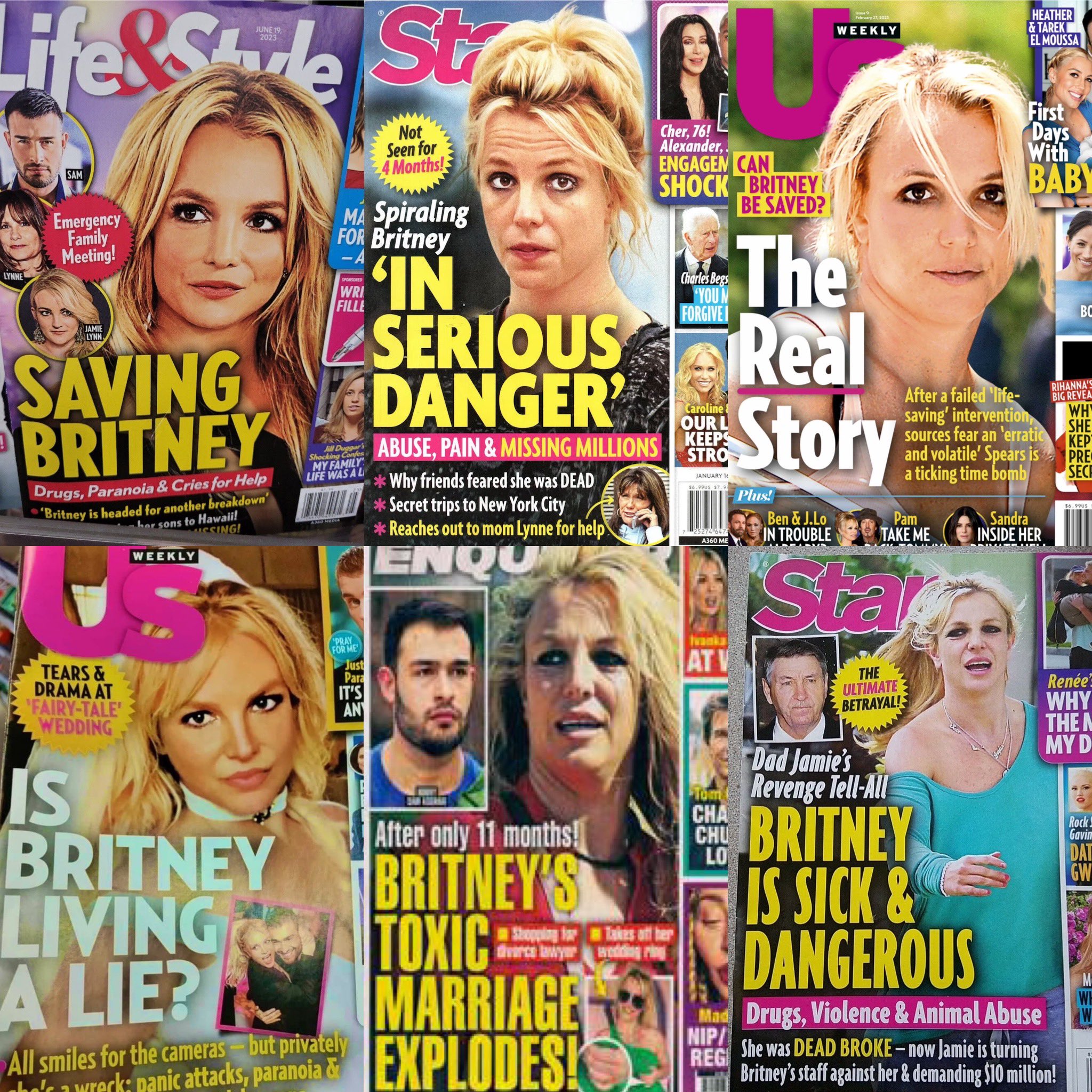
The advent of modern paparazzi, tabloids and the internet contributed to a whole new era of the shaming of women. The 2000’s LA paparazzi gave us an endless stream of clips of stars, famously Britney Spears, presented as messy and therefore shameful women. Female celebrities were followed by flashing cameras, documenting the breakdowns that the media was partly itself responsible for. These women were ridiculed for their looks, behaviour, relationships and even their sexuality, much in the same way as Mary Shelley was over a hundred years ago. The obsession over their every move was so bad that Ben Widdicombe, a gossip columnist at the time, admitted in an interview with the Guardian: “I was seriously worried that either Lindsay Lohan, Paris Hilton or Britney Spears would die.”
It would be nice to think that we have moved past this culture of shame but it is clear that social media has once again made it worse. Chappell Roan is the latest woman to be consistently attacked by the media for setting boundaries around the press. It is as if we expect women to smile in the face of harassment; such as a seventeen year old Britney Spears being asked about her breasts. When a famous woman like Chappell Roan refuses to tolerate this treatment, she is smeared. Roan becomes the ‘diva’ and ‘unbearably rude’. These examples are everywhere; Zara Larsson’s recent comments on abortion have seen her lose brand deals and face internet criticism for expressing that women should not have to suffer to access healthcare. Sabrina Carpenter’s openness about her sexuality is yet another thing constantly judged and ridiculed. God forbid a woman enjoys sex.
Women, especially those who are young and in the spotlight, are easy to cast as the villain. Their individual achievements expel the media’s expectation of ‘perfection’, and the easiest way to tear them down is rumour and humiliation. These expectations bleed into everyday life, feeding young girls harmful information about self-image, sex and relationships. Those of us who criticise this behaviour often partake in the culture unknowingly. Each time these rumours are spread or jokes are made the shame monster grows. We have to question if what famous women get up to in their private lives is any of our business. In fact, if any woman’s personal life is our business?
Women can be gossiped about, humiliated and scrutinised and it is almost seen as ‘fair game’. It is a tactic to demean accomplishments, make people take women less seriously and to question if a woman really deserves her position. Destroying this shame culture starts at home, with women in our own lives. This judgement begins in classrooms and workplaces. It’s something the media has taught and modeled for us, and it is about time we fought back.



Leave a Reply