Review by Teodora Tolmar, photos provided by Sziget
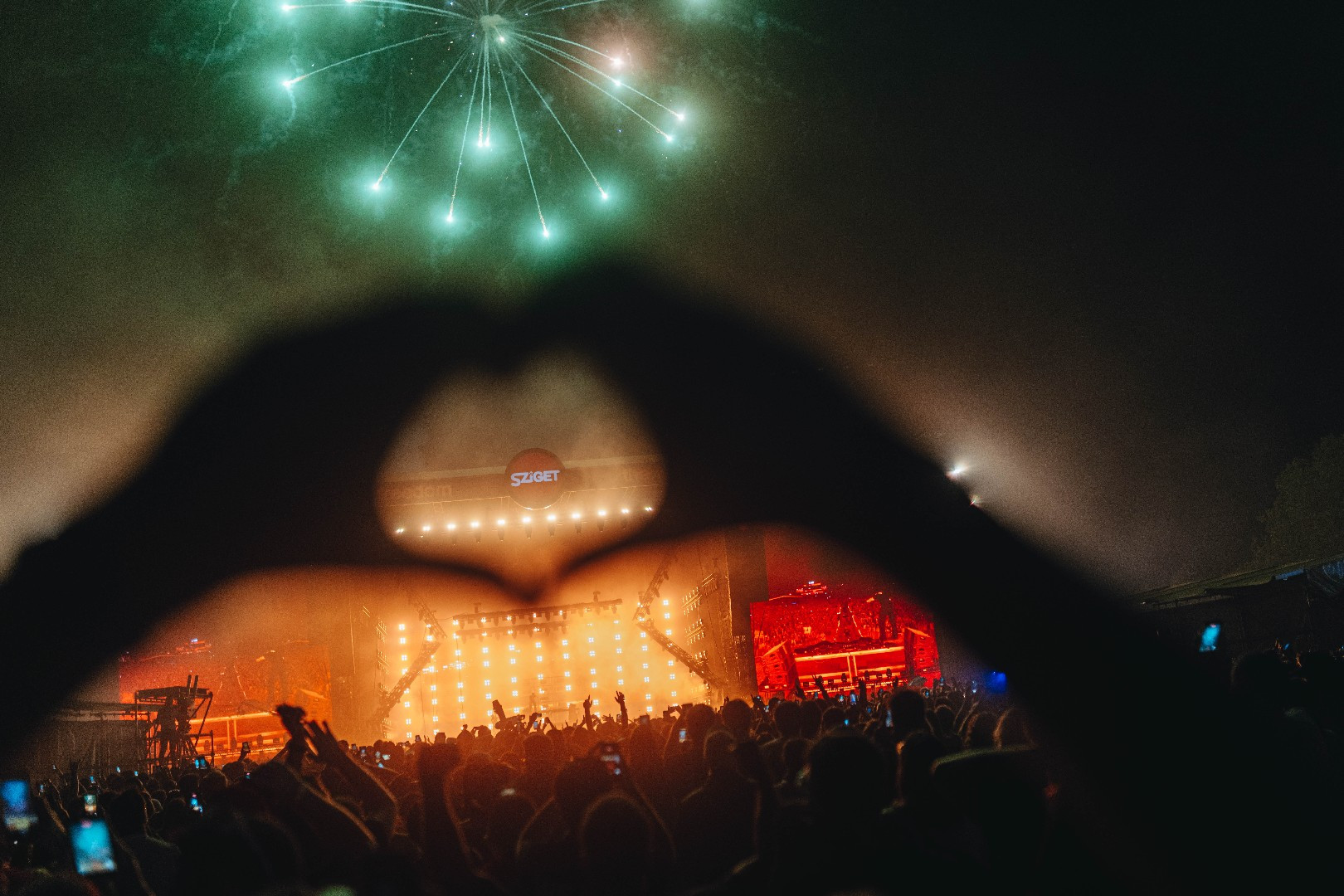
Sziget 2026 was, as ever, a beautiful blur of live music, late nights and trying to work out what day it actually was. But before it all fades into festival-induced delirium, we’re looking back at everything that went down, day by day.
Day One
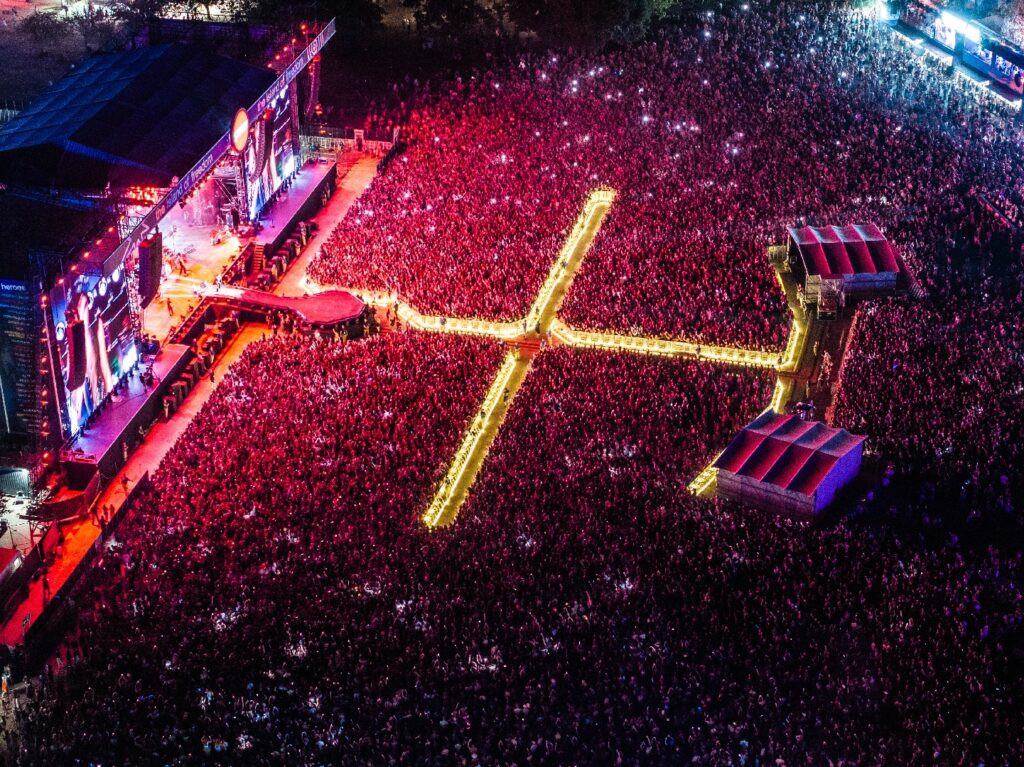
Wolf Alice know how to hold an afternoon crowd. Their set moved effortlessly from hushed, dreamlike verses into full-throttle choruses, transforming half-paying-attention festival-goers into a crowd singing along.
As evening approached, Zara Larsson brought the full force of the energy she has displayed throughout her Midnight Sun tour. Opening by asking the crowd if they wanted tonight to be the best show of the summer, she did everything in her power to make it happen, dancing across the stage in a glitzy bodysuit with the confidence of a consummate pop star. She closed with “Lush Life”, this time bringing two fans on stage rather than her usual one.
Sombr’s performance began with a backstage preview of the singer enjoying cocktails with Zara Larsson, setting the tone for a set full of homages to the pop star. From asking the audience to cheer for her once again to spray-painting a flag on stage, a signature move of Larsson’s throughout her tour, her presence was felt throughout. Despite the first day of Sziget being dubbed by many as lacking a major headliner, Sombr proved a surprisingly strong act. Bursting with energy, he ran up and down the stage as the crowd sang along to his songs. His videographer also deserves a mention, capturing the action through quick-changing, playful angles that made the live footage feel more like a pre-edited music video.
As the night ran late, Underworld and Sara Landry provided its techno soundtrack, while elsewhere, acts like Soft Loft offered a welcome refuge from the electronic beats with their soft indie tunes and intimate sound.
Day Two
Biffy Clyro brought another afternoon of classic festival rock to Sziget, with the Scottish band quickly getting the crowd on their feet. Natasha Bedingfield then took things up a notch, filling her set with both covers and the hits that have made her a pop staple. She worked her way through “Zombie” and teased “Purple Rain” by promising the crowd a song about rain, before eventually delivering the moment everyone was waiting for: “Unwritten”. Predictably, the entire crowd joined in.
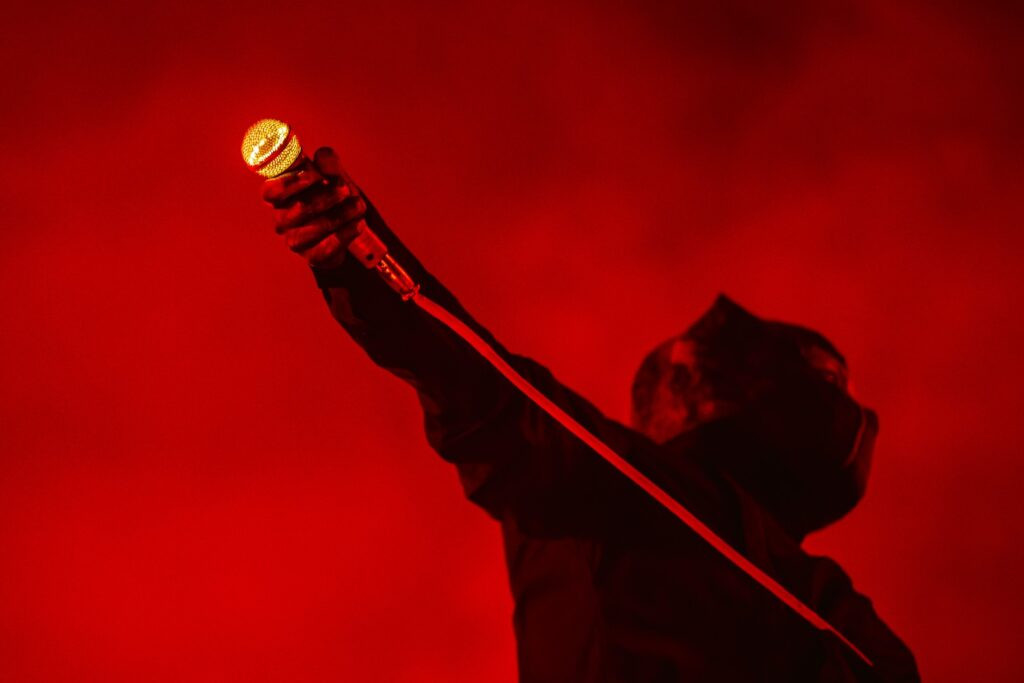
The night’s biggest draw was Twenty One Pilots, who pulled a huge crowd for their headline set. At the same time, Chet Faker offered a very different proposition. His jazzier, more laid-back sound made for an easy change of pace, and was honestly worth missing some of Twenty One Pilots for. By the end of his set, he had built up a sizeable crowd of his own.
Ashnikko brought one of the night’s most entertaining performances. Crawling onto the stage through a tiny door at the back and claiming she had emerged from inside her handbag, she committed fully to the absurdity of the bit. Dancing alongside two dancers, she also improvised playful ad-libs throughout, at one point singing about “free bleeding in Budapest” while telling the crowd she might start her period that night. The result was a set that felt playful, unpredictable and completely hers.
For those looking to keep the night going, TOMORA, AURORA’s new project, offered a much more electronic take on her sound. With a heavier techno influence and plenty of energy, it made for a fun late-night set. German DJ Ikkimel brought a similarly chaotic energy, arriving on stage in a bikini and repeatedly referring to herself as “the biggest slut”. Between her songs, she rallied the girls and gays in the audience against shitty men and explained the meanings behind her German-language tracks, some of which carried surprisingly profound messages, including one about abortion. Together, the two sets were a good reminder of just how much Sziget can fit into a single night.
Day Three
Don’t ask a mum to pick her favourite child, but if I had to choose a favourite day of Sziget, it would have to be day three.
My day got off to an incredibly strong start with Black Country, New Road, whose experimental rock made for a suitably expansive opening to the afternoon. Their set was followed by Loyle Carner, who brought his unmistakably distinct sound to the festival. Beyond the music itself, there was something particularly touching about seeing how moved he was by the crowd that had turned out for him. His mum was among them too, and he dedicated a couple of songs to her, making an already personal performance feel even more special.
Paris Paloma brought a taste of what was to come later in the evening. Having recently toured with Florence + The Machine, she felt like a fitting precursor to the night’s headline act, but more than simply warming up the crowd, Paloma proved a striking performer in her own right. Her sweeping folk-pop sound and sharply political songwriting gave the set a sense of both intimacy and grandeur, with her feminist anthems turning the crowd into a particularly receptive audience. She closed with “Labour”, her best-known song and a rallying cry against the expectations placed on women, making for an especially powerful moment ahead of Florence’s own arrival.
Lewis Capaldi, meanwhile, was determined not to let his famously emotional catalogue get in the way of a good time. He joked that he had already played his only happy songs by the third song, meaning the rest of the set would be “pain and suffering,” but his sense of humour kept the mood firmly afloat. He even found time to comment on the bungee jumpers in the background and the techno bleeding over from another stage, joking that at least the crowd would have some dance music to keep them going.
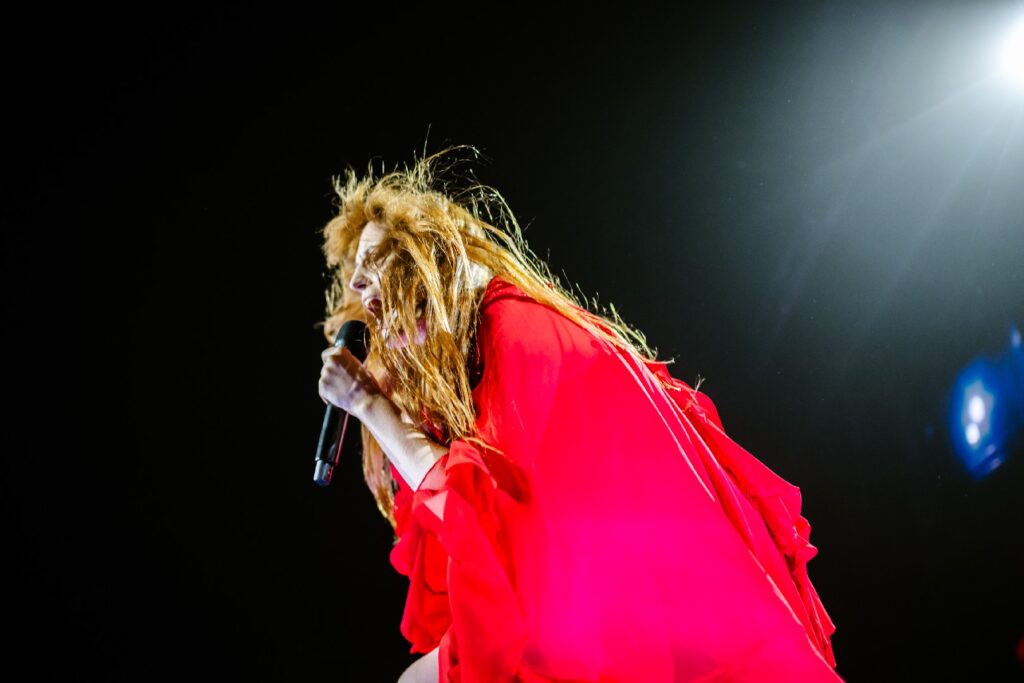
Then came Florence + The Machine. There are probably very few words that can adequately describe a Florence Welch performance. Magnetic, hypnotic, majestic and mystical were some of the descriptions floating around the crowd afterwards, including from people seeing her live for the first time. She commanded the stage with an almost otherworldly presence, but some of the most special moments came when she asked the audience to put their phones away and simply be there. For a festival built around capturing everything, watching thousands of people actually put their phones down felt particularly powerful.
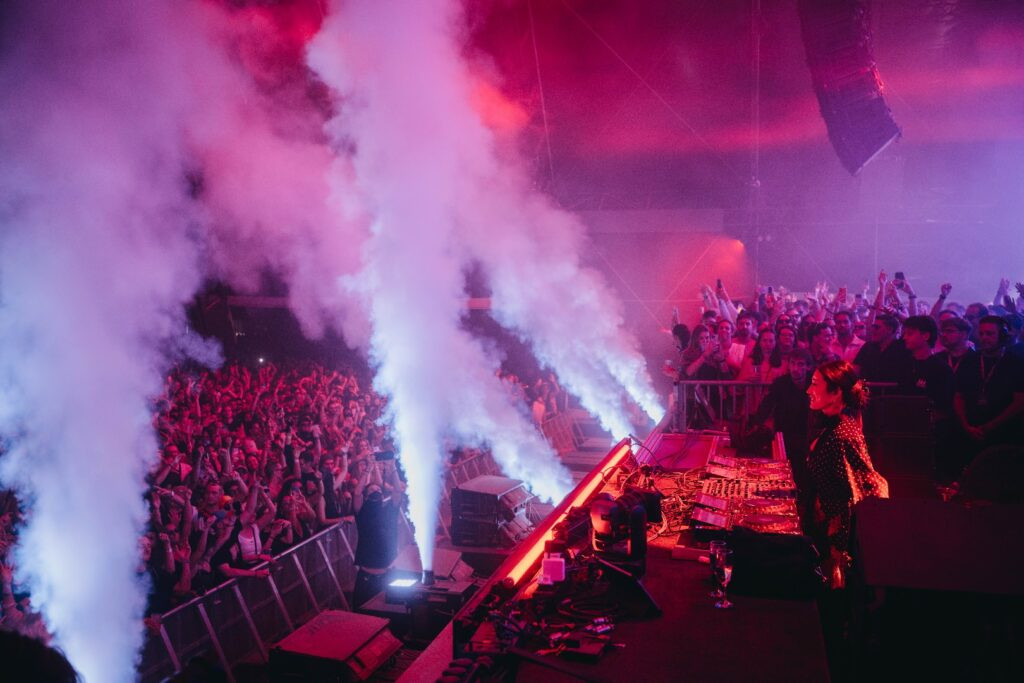
Hungarian stars Majka and Bruno X Spacc brought the home crowd into their own, with locals singing along to every word. Meanwhile, Parcels kept the energy going with their funky, disco-tinged sound, and Night Tapes offered something softer and dreamier, a welcome change of pace before the night’s final stretch. Necc Party played a marathon three-hour set that felt like someone had compiled every song you would want to hear in a club and decided to play them all. The dancefloor stayed packed throughout, making for a euphoric end to what was easily one of Sziget’s strongest days.
Day Four
By day four, Sziget was getting into some of its heavier territory, moving from Sigrid’s polished pop into Skepta’s grime and, finally, Bring Me The Horizon’s full-scale rock.
Skepta arrived around 15 minutes late for his first-ever Hungarian show, but quickly made up for it, greeting the crowd in Hungarian before throwing himself into the performance. He seemed genuinely surprised by how many people knew his songs, and particularly by the number of fans who had already seen him live. He spent much of the set communicating directly with the crowd, who more than returned his energy, making for a lively first Hungarian appearance.
Bring Me The Horizon then turned the festival into something resembling an arena show. The band brought their characteristic mix of huge production, heavy riffs and anthemic choruses, but one of the set’s most memorable moments came when frontman Oli Sykes brought Barni Kókai, frontman of Hungarian metalcore band The Southern Oracle, onto the stage. It was a particularly fitting moment for a festival that prides itself on bringing international and local artists together, and the crowd went wild for it.
Elsewhere, Peggy Gou kept the night moving with her sleek electronic sound, while Nia Archives provided another late-night highlight with her distinctive jungle and drum and bass sound. By this point, the appeal of Sziget’s line-up was clear: one minute you’re watching grime, the next you’re watching a huge rock show, and a few hours later you’re dancing to jungle.
Day Five
By the final day, the festival was beginning to take its toll. This reporter would love to give you a detailed account of everything that happened, but after raving slightly too enthusiastically in the mosh pit during Skrillex, I managed to tear a tendon in my ankle. Consider this your warning not to underestimate the physical demands of a five-day festival.
Before my unfortunate descent into medical drama, there was still plenty to enjoy. bbno$ was a fun way to start the final day, bringing the kind of ridiculous humour that runs through so much of his music, before Jorja Smith took to the stage with her effortlessly cool blend of R&B, soul and jazz influences. Her performance offered a much more laid-back contrast to what would come later.
And then came Skrillex. The crowd quickly turned the set into one enormous mosh pit, and, somewhere in the middle of it all, my ankle apparently decided that five days of Sziget was quite enough. I may not be able to provide a completely impartial account of the rest of the evening, but I can confirm that the festival went out with a bang.
Leave a Reply