
Written by Sofia Perica
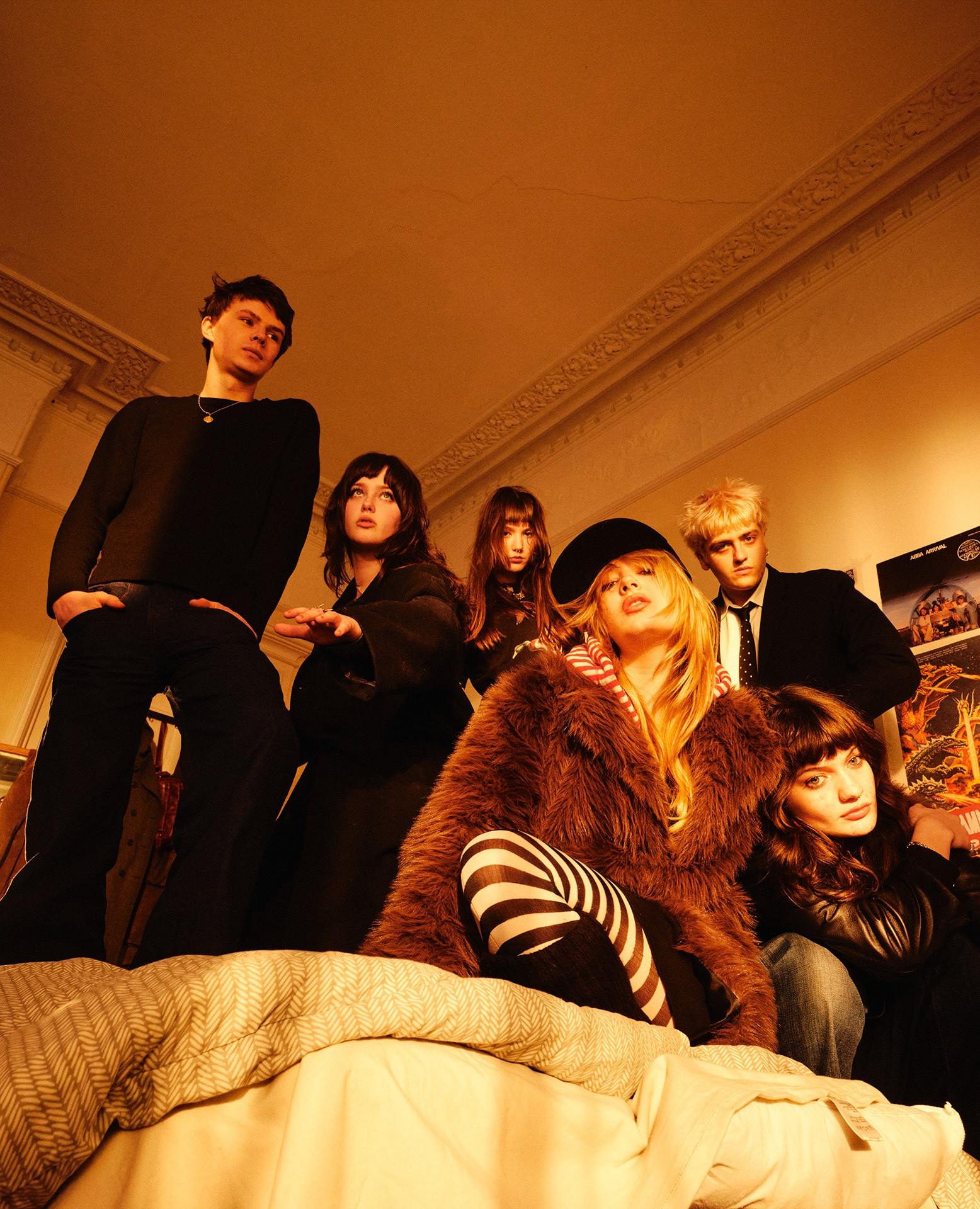
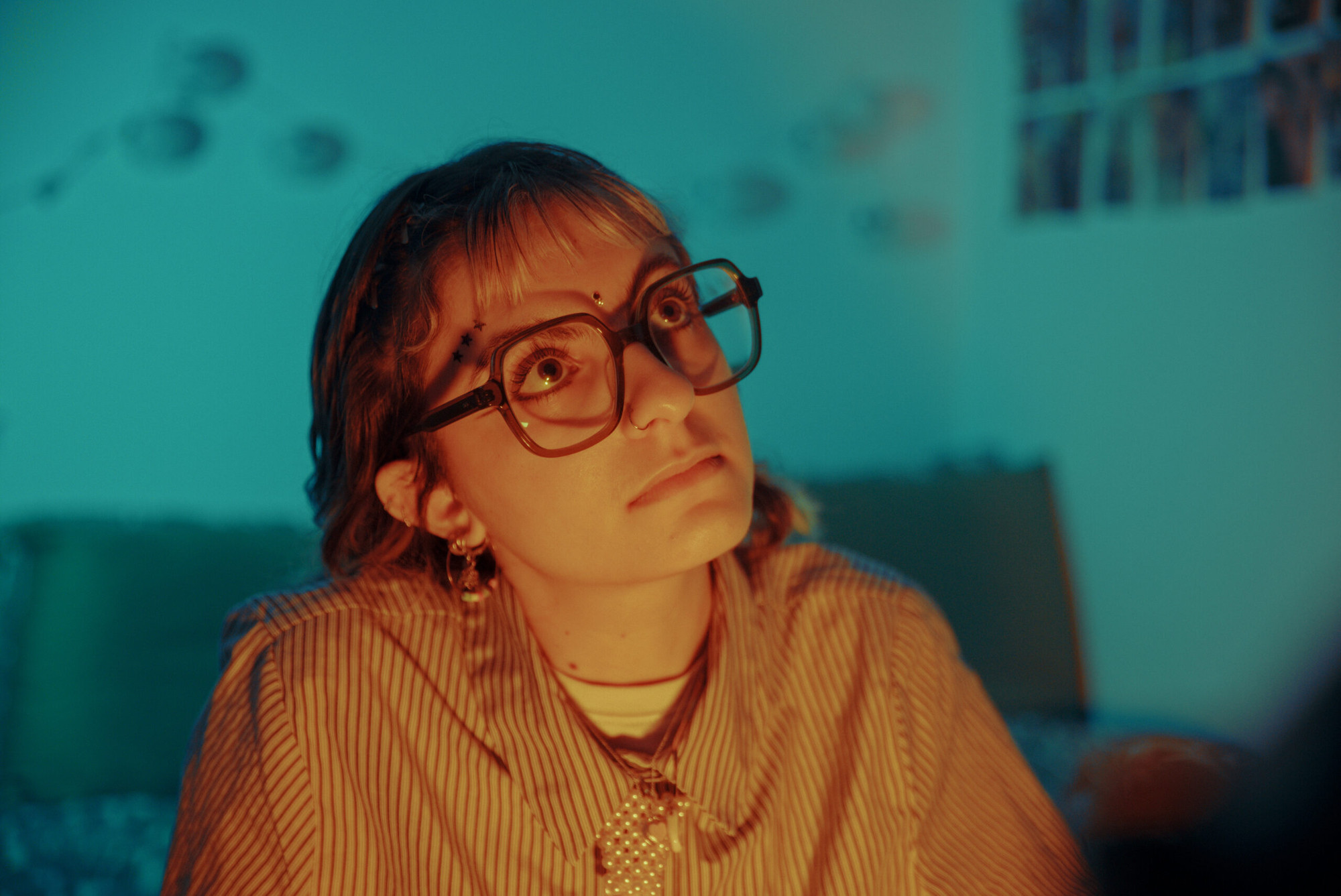
Irish/Cornish emerging band Girl in The Year Above are no strangers to the spotlight. Having toured with Seb Lowe and Razorlight, and gained praise for their vulnerable approach to songwriting, it was only right that they should feature on the new Peaky Blinder’s soundtrack. Frontwoman Jennifer Ball spoke to Karma!, reflecting on the group’s involvement in the hit series turned film.
While Ball admits she wasn’t quite prepared for the sheer scale of the production, the band approached the opportunity with a clear sense of identity. Their cover of Massive Attack’s “Teardrop” reshapes the original, weaving in their distinct Celtic storytelling style to create something newly intimate and haunting. When asked about the influences she brought to the track, Ball doesn’t hesitate. “My whole life is grief… and Teardrop has a lot of grief within it.”
It’s this emotional alignment that makes the cover feel so natural. The original song, known to be associated with the death of Jeff Buckley, is steeped in themes of loss, fragility, and longing. For Ball, those themes are a lived experience. She describes the track as “classic, timeless… it’s something everybody knows,” but her interpretation leans into its emotional weight, softening the trip hop edges of the original and grounding it in something more traditional and human.
That grounding comes from heritage. Ball, who is Cornish and Irish, draws heavily on Celtic musical traditions, something that defines the band’s sound.
“We incorporated the trills that my voice does naturally… that’s definitely a bit Celtic,” she explains. The arrangement reflects this instinct.
The opening is stripped back to a cappella, allowing the song to breathe before it builds. “It was a nice moment to emphasise how emotional the song is. It’s something you’d hear someone sing in an Irish pub.” That image speaks to something deeper than stylistic choice. Storytelling, in its most traditional sense, sits at the centre of Ball’s approach to music: “To storytell and sit around in a circle, to listen to another person… is so important. That’s why I like the pub, you get to talk and listen.”
This idea of shared space, of listening as much as speaking, becomes central to how she understands music’s role. Songs are a shared exchange. They hold grief, but they also offer a way of processing it collectively. In that sense, music becomes a form of community building. It’s a theme that aligns closely with Peaky Blinders itself. Set against the backdrop of political unrest, trauma, and working class struggle in early 20th century Britain, the story resonates beyond its time period. The anxieties that shape its characters feel familiar, even now. There’s a continuity to grief, to hardship, that cuts across generations.
For Ball, this is where art becomes powerful. Naming grief, giving it shape through sound is an active movement. It creates space for acknowledgement, for reflection, and sometimes even for change. Whether it’s in a cinema, through a song, or across a table in a crowded pub, those experiences can create a sense of connection that feels increasingly rare.
“We need to make sure we’re listening to each other,” she says, returning to the idea of attention and presence. Her songwriting process reflects that mindset. Inspiration comes from observation, from small, often fleeting moments. She says, “I love seeing someone on the street and writing a song about them… or seeing a piece of art… or hearing a story from someone else.” Even here, the emphasis remains outward, rooted in noticing, absorbing, and translating the world into something others can recognise themselves in. That same instinct carries through everything, even in the lighter moments.
When asked what song would soundtrack her life, Ball chooses “Glory Days,” a nod to the band’s more playful, mischievous edge, a reminder that alongside the weight of grief, there’s still space for energy and irreverence. And when it comes to identity, distilled into something as simple as colour, the answer feels instinctive. Asked the mandatory Karma! question, Ball doesn’t hesitate: maroon. A shade that feels rich, warm, and quietly intense.
In the end, Girl in The Year Above’s contribution to Peaky Blinders feels more like a continuation of its world. Now, it’s your turn to step into it.

Leave a Reply