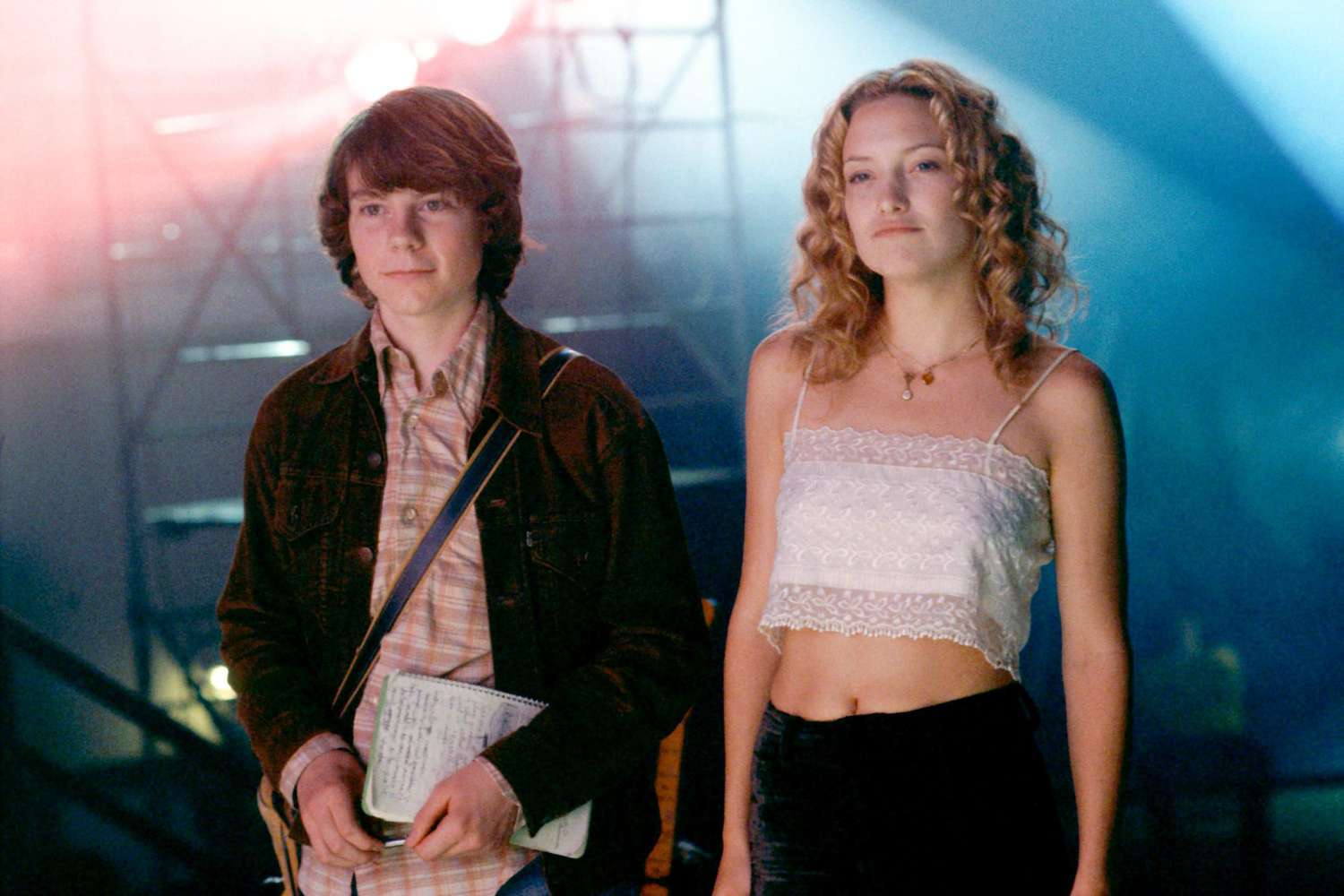
When Almost Famous was released in 2000, it wasn’t just another coming-of-age story. The film follows William Miller, a 15-year-old music fanatic who lands a dream assignment: to tour with Stillwater, a rising rock band, and write a feature for Rolling Stone magazine. As William travels across the country, navigating the wild world of rock-and-roll excess and the complicated dynamics within the band, he discovers the nuances of fame, friendship, and finding his own voice. What makes Almost Famous special is how it captures not only the thrill of music but also the messy human stories behind the scenes.
This deeply personal cinematic memoir comes from writer-director Cameron Crowe, who drew on his own teenage experiences as a wunderkind rock journalist for Rolling Stone in the 1970s. Few films capture the messy, intoxicating energy of music and the people who chase it quite like this one. At its heart, Almost Famous is about more than a boy on tour with a band—it’s about the fragile, complicated bond between music and the words we use to make sense of it.
Crowe was only 15 when he began writing professionally, touring with bands like the Allman Brothers, Led Zeppelin, and Lynyrd Skynyrd. Those formative years taught him that rock journalism wasn’t just about the music—it was about the people behind it, the late nights and fragile egos, the moments when art and identity blurred together. With Almost Famous, Crowe distilled that chaotic energy into fiction, creating William Miller (played by Patrick Fugit), an earnest, wide-eyed teenager who lands an assignment to profile an up-and-coming rock band called Stillwater. The band itself is a composite of the many Crowe followed during his youth, and William is a clear stand-in for Crowe—though Crowe never paints his younger self as a prodigy or a hero. William exists in a liminal space: close enough to feel the magic of the music, but just far enough away to see the cracks forming beneath the surface.
That tension—between being a participant and an observer—is central to the story and to the practice of music journalism itself. The more access you’re granted, the harder it becomes to tell the truth. That’s one of the film’s most resonant ideas, and it’s embodied in William’s mentor, the legendary rock critic Lester Bangs. Played with understated brilliance by Philip Seymour Hoffman, Bangs serves as the film’s conscience. He reminds William that the job isn’t about being liked by the bands—it’s about being honest. “The only true currency in this bankrupt world is what you share with someone else when you’re uncool,” he tells him. That line has become iconic, especially among writers. It’s a reminder that truth matters more than access, and that writing—real, vulnerable writing—often comes from the margins.
There’s something deeply affectionate about the way Almost Famous captures the highs and lows of this world. It’s a film that understands the giddy rush of being backstage, but also the loneliness that follows. Crowe isn’t interested in glorifying rock-and-roll excess; he’s interested in what it all feels like. The music in the film isn’t just decoration—it’s an emotional undercurrent, a memory in motion. Curated by Crowe and Nancy Wilson of Heart, the soundtrack features songs by Led Zeppelin, The Who, Simon & Garfunkel, and Elton John, among others. These aren’t just needle drops—they’re emotional cues.
Perhaps no moment captures this better than the now-iconic bus scene, when the band and its hangers-on, raw from a fight, sit in silence until someone softly begins singing Elton John’s “Tiny Dancer.” Slowly, everyone joins in. It’s not a performance—it’s a release, a moment of unity born from shared exhaustion and love for the same song. In that moment, the film expresses something that’s hard to put into words: the way music binds people, even when everything else falls apart.
What makes Almost Famous endure is that it takes music journalism seriously. Most rock movies focus on excess, fame, or tragedy. This one focuses on the people trying to make sense of all that—the writers in the shadows, the ones tasked with translating chaos into meaning. The 1970s were a golden age for rock journalism. Rolling Stone, Creem, and other publications didn’t just write about music—they shaped the culture around it. Writers like Bangs, Ellen Willis, Greil Marcus, and Crowe himself turned criticism into art. Almost Famous is their tribute. It captures a time when long-form writing had power, when a single profile could shape how an artist was seen.
In today’s media landscape, where music journalism often lives in tweets, hot takes, and ranked lists, Almost Famous feels like a time capsule from a richer era. It reminds us that the best writing about music isn’t about trends or hype—it’s about honesty. It’s about chasing the feeling a song gives you and somehow finding the words to hold it still for a moment.
But for all its historical and cultural weight, Almost Famous never feels like a lecture. It’s intimate, warm, and full of wonder. What gives the film its staying power is how personal it feels—not just for Crowe, but for anyone who has ever loved music with their whole heart. Anyone who ever sat alone in their room rewinding a song to hear a lyric again, or stayed up late writing reviews no one would read, or fell in love with a band that felt like it understood them better than anyone else. That’s who this movie is for.




Leave a Reply