Words by Tee Tolmar (@teetolmar)
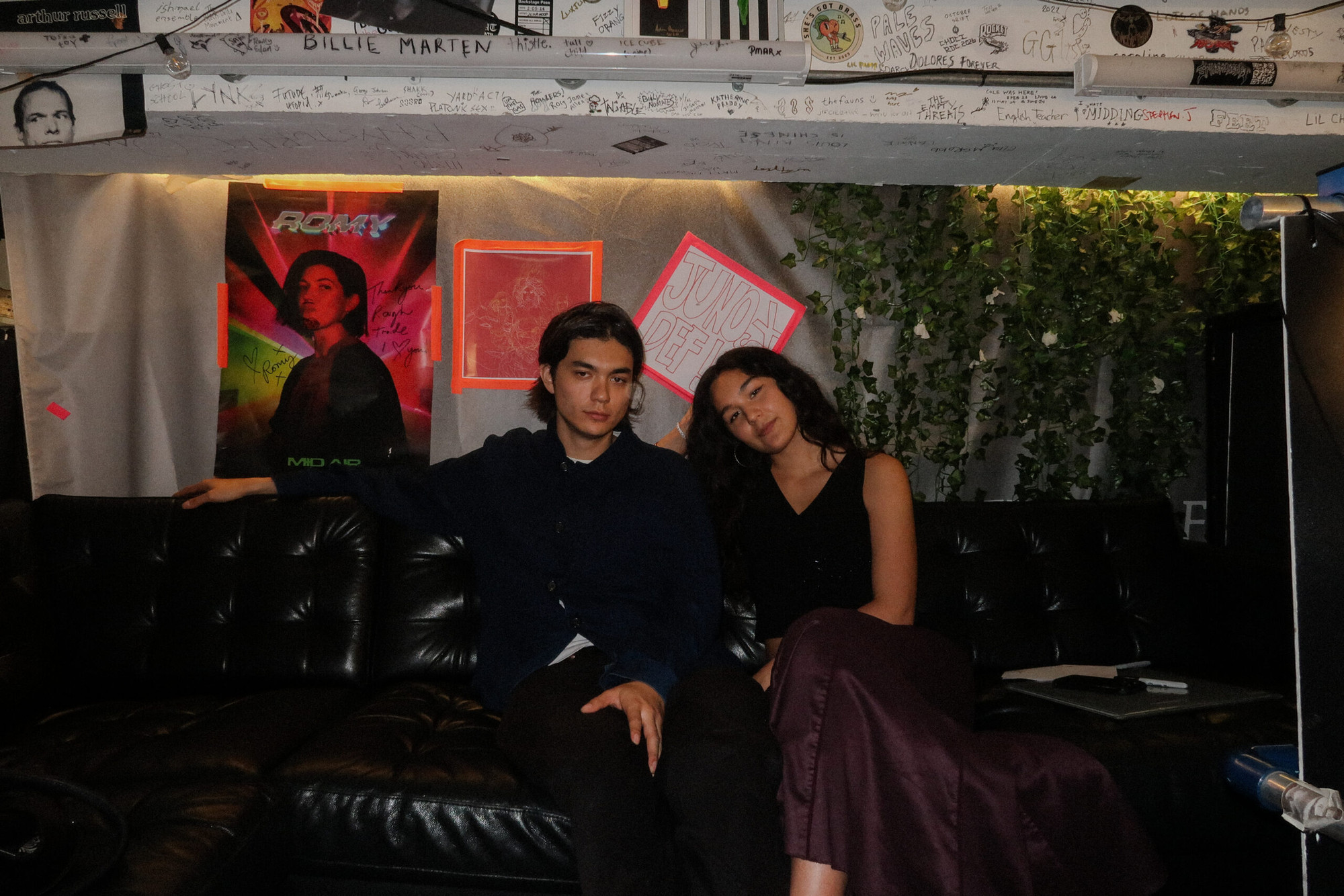
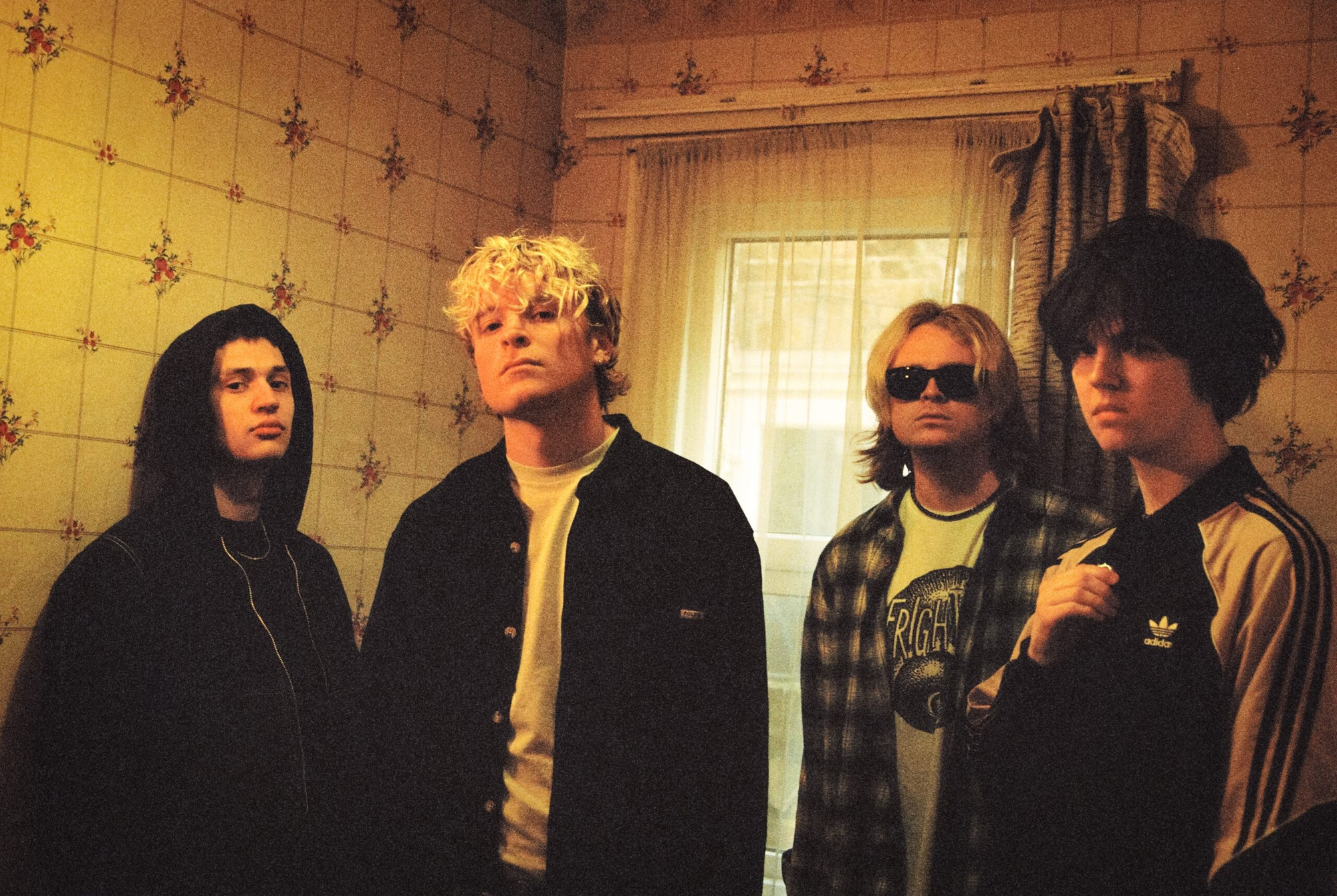
When I sit down with Wasia Project at Rough Trade East, Nocturne has only been out for less than 24 hours.
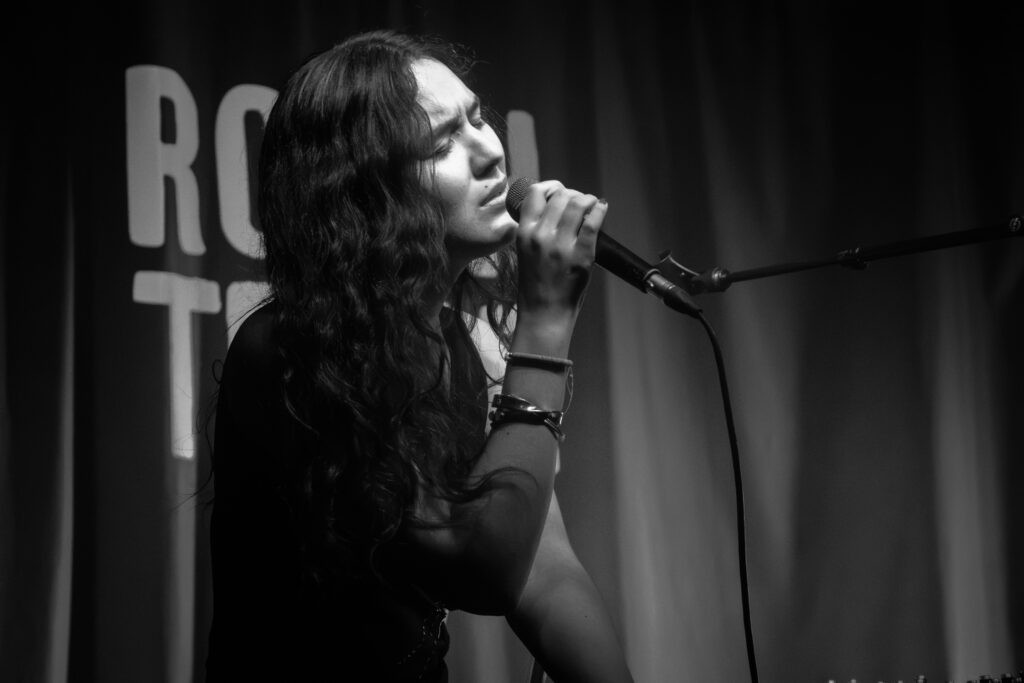
We sit on a bench near the entrance of the record store, where Olivia and William had their first-ever interview. Back then, Wasia Project was still a new thing, their music a collection of ideas that had not yet had the chance to become what it is now. Today, their first album is sitting on the shelves behind us. It is also the place where they will play their first record store show of the album that evening.
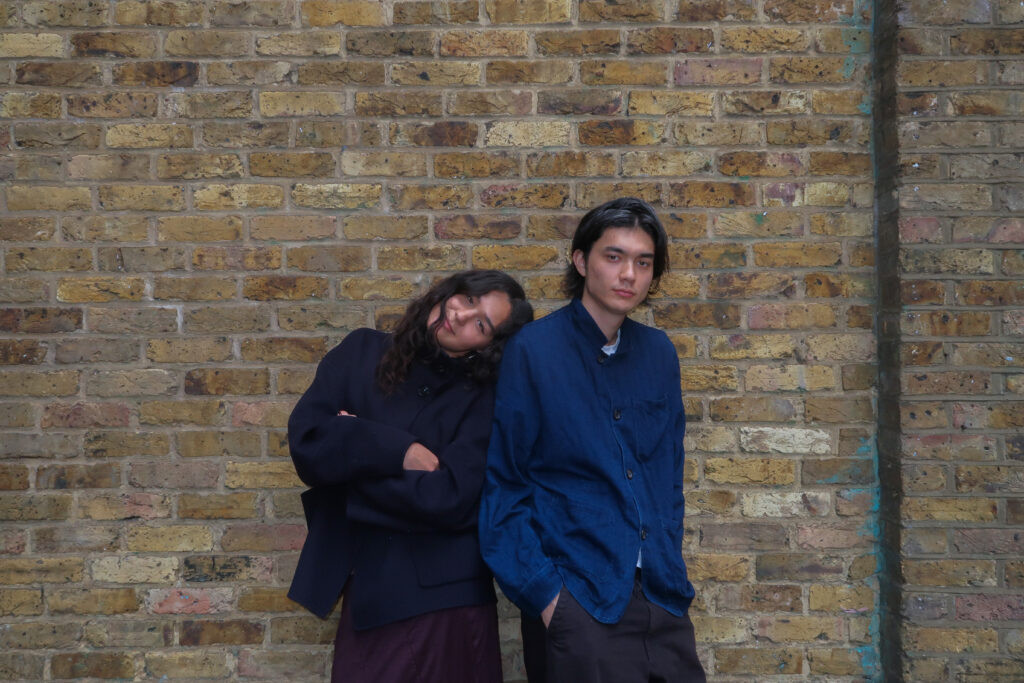
William has had some trouble with his bike, so Olivia and I have a little time to chat before he arrives. By the time we’re all sitting down together, it feels more like a conversation happening over a busy afternoon than a formal album-day interview. People drift in and out of the shop beside us, it is raining lightly outside, and the music playing through Rough Trade is loud enough that every now and then we stop talking to point out a song we like. William is eating Chinese food. There is something pleasantly unceremonious about it all.
For Olivia, the first feeling of having Nocturne finally out in the world is relief. “I feel like the bags are off the shoulders a little bit. Like, I can let it go. We can let it go out into the world where it belongs to other people.”
William feels much the same. Before release, there is anticipation and nerves. Now that it is finally out, there is a sense of satisfaction. They have also had an unusually long time to listen to the record themselves, sitting with these songs for long enough to know them “inside out”. Neither of them particularly likes listening back to their own music immediately after making it, though.
“I think it has to be a couple years before I enjoy it,” Olivia says. “I don’t listen back. We make it, and then it’s out there.” William agrees that there is something different about hearing your own music once enough time has passed that you can no longer remember every decision that went into it. “It grows and changes. The meaning can change over time. So I’m excited to see what we learn from the songs in the future.”
That sense of time is already built into the album. Although Nocturne is their first record, its songs do not all belong to the same moment. Some have existed for years. ‘Strike Me Down’ began as a piano song around three years ago, while part of ‘Whale Call’ dates back to the period when they were writing ‘ur so pretty’. Olivia had originally written the verse years ago then returned to it later and developed it around something she cared about as an older version of herself.
The album itself took shape through that process of revisiting, combining and rethinking. Wasia Project have always kept what Olivia calls an “ideas bank”, bringing fragments into the process and seeing what might happen when they are placed alongside something else. Their approach to Nocturne was different from what they had done before: “We almost unbound all of the way we worked before and kind of rebuilt it up,” William tells me.
The process became less about arriving at a song through a straightforward beginning, middle and end, and more about collage. ‘2515’ began life as a grand orchestral opening for the album, before an idea Olivia had developed halfway through was placed over chords from another of William’s songs. More was added, removed and reshaped until the finished song bore little resemblance to its original form. “At the beginning of that, we had no idea what it was gonna sound like,” Olivia says, “And it ended up something we were really proud of and amazed by. We weren’t expecting to go there.”
For all the instinct involved, there is also an element of discipline. William describes making the record almost like “a science lab”, trying to be as concise and rigorous with the songs as possible. “We’re not nice to them,” he says. “It’s quite hard work.”
That tension between control and instinct comes up again when we talk about their process of writing music together. Collaboration, William says, requires “surrender” as much as it requires conviction. You have to protect something of the original idea while allowing it to become something else.
In that vein, William is already thinking about what happens next, looking to musicians he admires who have continued to change rather than settling into a fixed idea of what their work should sound like. He brings up David Bowie, The Beatles and Baz Luhrmann, who he had been watching that morning. For him, having a recognisable identity does not have to mean staying in one place.
“I’m always aware that I don’t wanna get into that dangerous place,” he says, referring to the possibility of arriving at a particular sound and simply repeating it. Olivia describes the instinct behind Nocturne in similar terms. They knew they wanted to make something different, but they did not necessarily know what “different” meant yet. They had been playing the music they were known for during the past few years. Eventually, they wanted to “blow the shit up”.
Part of that comes from their discomfort with genre labels. William talks about how easy it is for artists to become contained by the categories attached to their work, particularly when the reality of making music feels much more expansive. “I find it funny to be contained within labels,” he says. “In our music making, we’re just so far from that.”
The album’s structure emerged from a similarly broad idea. The night theme arrived relatively late in the process, as they began to recognise the way the record moved through different stages of darkness, loneliness and discovery. A relative’s series of art cards, each centred around different things that happen “during the night”, helped crystallise it. Nocturne became the organising principle.
The mythology threaded throughout the album came from a similar fascination with stories that have survived far beyond the people who first told them. Olivia has always loved myths, particularly the way ancient stories can hold emotions that still feel recognisable thousands of years later. On ‘Moon Goddess’, the story of Chang’e gives shape to loneliness and separation. On ‘Strike Me Down From Heaven”’ biblical imagery becomes another way of approaching ideas they grew up around. ‘Sunken Quay’ conjures the River Styx for Olivia, the image of being submerged and caught between worlds.
She is drawn to the distance mythology creates. “We could be like, ‘Oh, I broke up with my boyfriend,’ but it just feels too real,” she says. “I like having these deep, mythical things that I can resonate with.” The emotions themselves do not become less personal. They simply become less literal.
That is also part of what makes the album’s emotional scale so striking. Loneliness and heartbreak are familiar subjects, but Nocturne gives them the proportions of something ancient and enormous. A feeling that might be small in the context of a whole life can still feel completely overwhelming when you are the person experiencing it.
When we talk about what home means to them now, Olivia describes it through the people and things around her: family, friends, work, music and the people she gets to make things with. William’s answer starts somewhere else:
“The world can feel massive and everything’s happening at the same time,” he says. “But actually, my life and what home is to me is actually very small.”
A handful of people. Family. Friends. The people he spends his time with. And then there is the music, which can reach far beyond that small circle. “Music can be so much bigger and so much larger than anyone’s life,” he says. “It’s this transcending, powerful thing.”
William does not want to dictate what the album should mean to anyone who hears it. If somebody connects with one song they found through an algorithm and plays it a million times, that is enough. “You listen to however you wanna listen,” he says, and he seems genuinely interested in my experience of listening to the album.
There are, however, a few things he and Olivia would like listeners to notice. They tell me about hidden moments scattered through the record: Olivia laughing in the background of ‘Vogue’; an almost imperceptible sound of an orchestra preparing to play; a moment in ‘Bleeding Gold’ where Olivia is singing the part she hears while William plays it on piano. They are the sorts of details that might only emerge after several listens.
“You’ll have to find that,” William says.
I tell him I will.
The music continues around us as people move through the shop. Outside, the rain is still coming down and, in a few hours, Wasia Project will be back on this stretch of floor, playing these songs to a room full of people for the first time. The album has been out for one day.
For now, they are still sitting on the bench where it all began.

Leave a Reply