Words by Natasha Clough (@tash_cloud)
Over twelve days, the London Film Festival screened an exciting lineup for its 70th edition,
representing the best of cinema from across the globe. From villainous knights in shining armour to wicker husbands and cultish community theatre productions, this year’s festival showed that distinctive voices in filmmaking are alive and well. The films, perhaps understandably, also tapped into the anxieties and questions of our times, from tech bros wielding insane power to the weight of surviving in a capitalist society, and the failures of institutions meant to serve justice.
Here’s a look at the films we can’t stop thinking about. Keep an eye out for full reviews of a selection of LFF’s films coming soon.
Elsinore
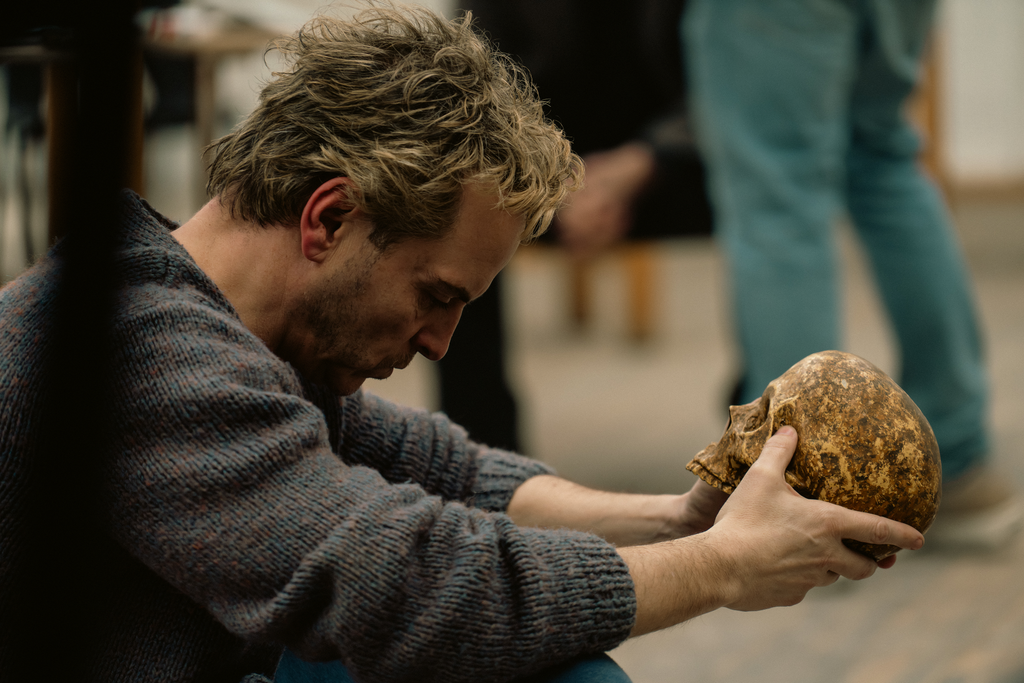
Andrew Scott’s performance as the late actor Ian Charleson is already earning immense critical acclaim and awards buzz, and for good reason. If Scott’s role in Andrew Haigh’s All of Us Strangers (2024) left you devastated, get ready to be emotionally destroyed all over again. The film follows Charleson in his final months, playing Hamlet at the National Theatre, having learned of his AIDs diagnosis before his first performance. What could’ve been another forgettable biopic is instead a captivating story of the determination to keep living and fulfil a dream even when life itself is coming to an end. In a time when stories of queer joy are finally common on our screens, Elsinore takes us back to a tragic chapter of queer history that we can’t forget. The Prince of Denmark’s lines mediate on mortality and legacy and, when performed by Scott as Charleson on stage, become all the more powerful.
Wicker
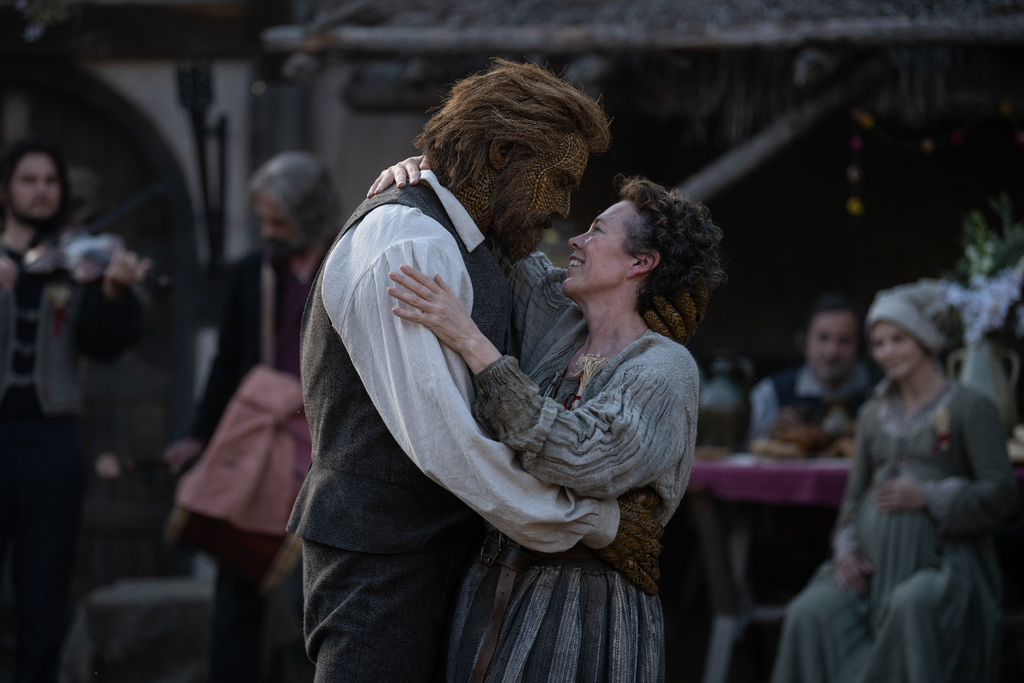
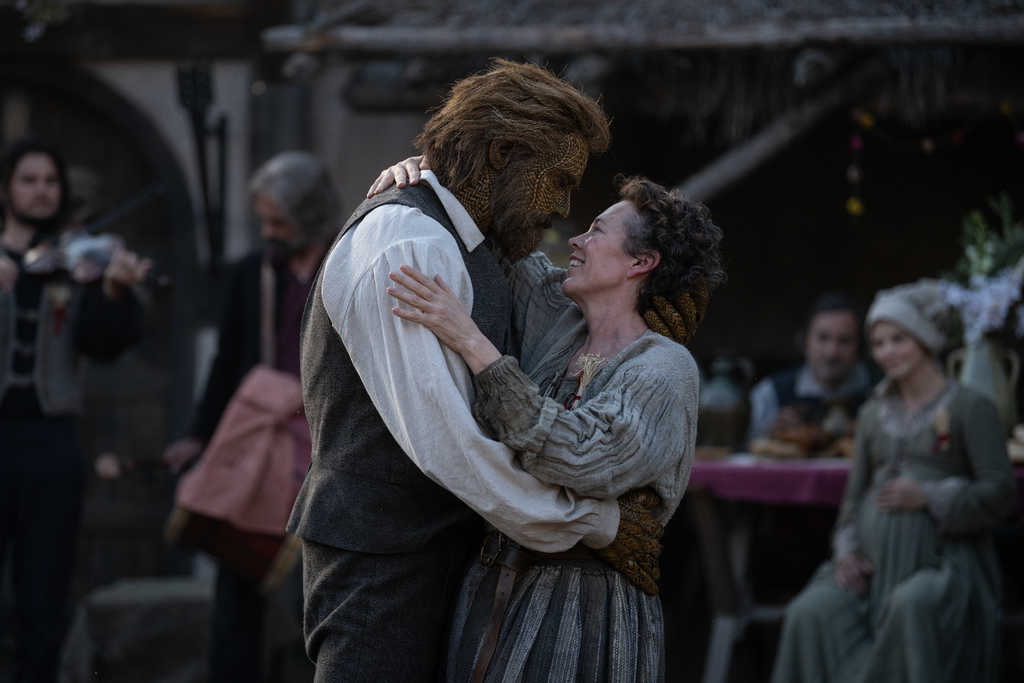
If you saw the trailer for Wicker, you might have thought it would simply be a raunchy romantic comedy set in medieval times. While the film certainly has many funny and heated moments, it becomes a much more heartfelt story than anticipated. Olivia Colman continues her iconic acting run as a lonely fisherwoman looking for companionship in a small-minded town bound by patriarchy. In folklore-fairytale fashion, the local basket weaver (Peter Dinklage) is asked to make a husband for her, and surprisingly delivers on the request. The fisherwoman’s wicker man (Alexander Skarsgård) becomes the talk and envy of the community, propelling the women to demand more from their partners who treat them like extensions of themselves. The film embraces its absurdity with wicked humour but is underpinned by sincerity and perceptive social commentary.
Primetime
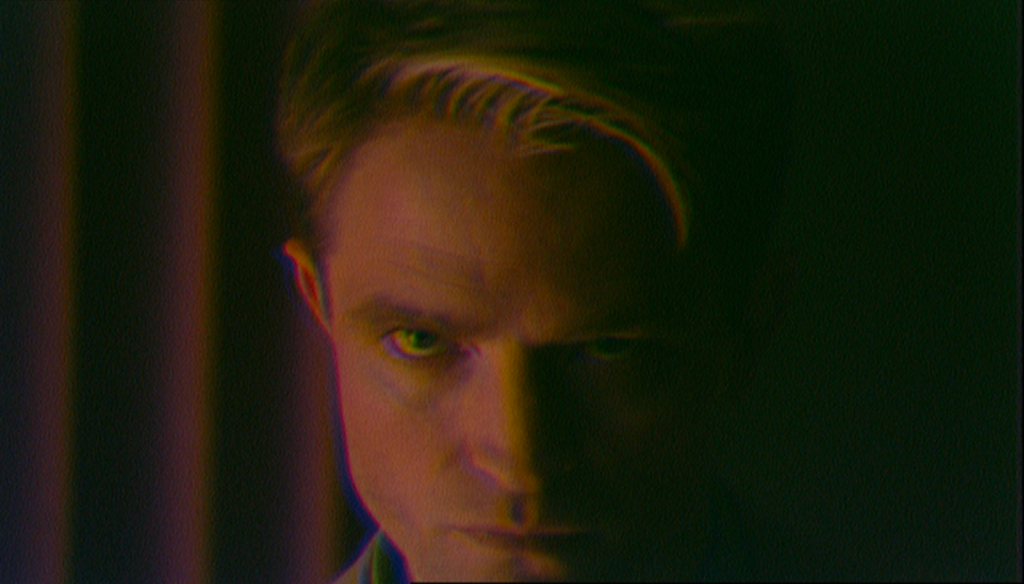
“You see what this looks like, right?” Chris Hansen says, slowly closing in on his TV prey. Robert Pattinson plays the detrimentally ambitious ‘To Catch a Predator’ presenter in Lance Oppenheim’s debut fiction film. It’s 2006, and the true-crime series has been bumped up to primetime, not because the network head champions it but because the public demands this voyeuristic ‘moral’ witch hunt as evening entertainment. Primetime dives into a nightmarish rollercoaster at full speed, saturated with neon blues and pinks bleeding into each other. It feels like you’re watching a tape of a 2000s television episode in a seedy motel room, a fuzzy fever dream you can’t help but be glued to. Intrusive close-ups of Pattinson paint an uncanny figure. The actor mimics the real-life man performing for the TV camera, reading out disturbing chat room messages from the child groomer of the week. The film’s ensemble cast is equally compelling, with Merritt Wever as Hansen’s underappreciated producer pulling the strings and Phoebe Bridgers as decoy actor and activist Del. Skyler Gisondo delivers a standout performance as new decoy recruit Dan, thinking this gig will earn him an acting credit and a chance at getting his SAG card, not realising the darkness of the world he has now entered. As one of the most highly anticipated films of the year, Primetime is a must-watch at the cinema.
Clarissa
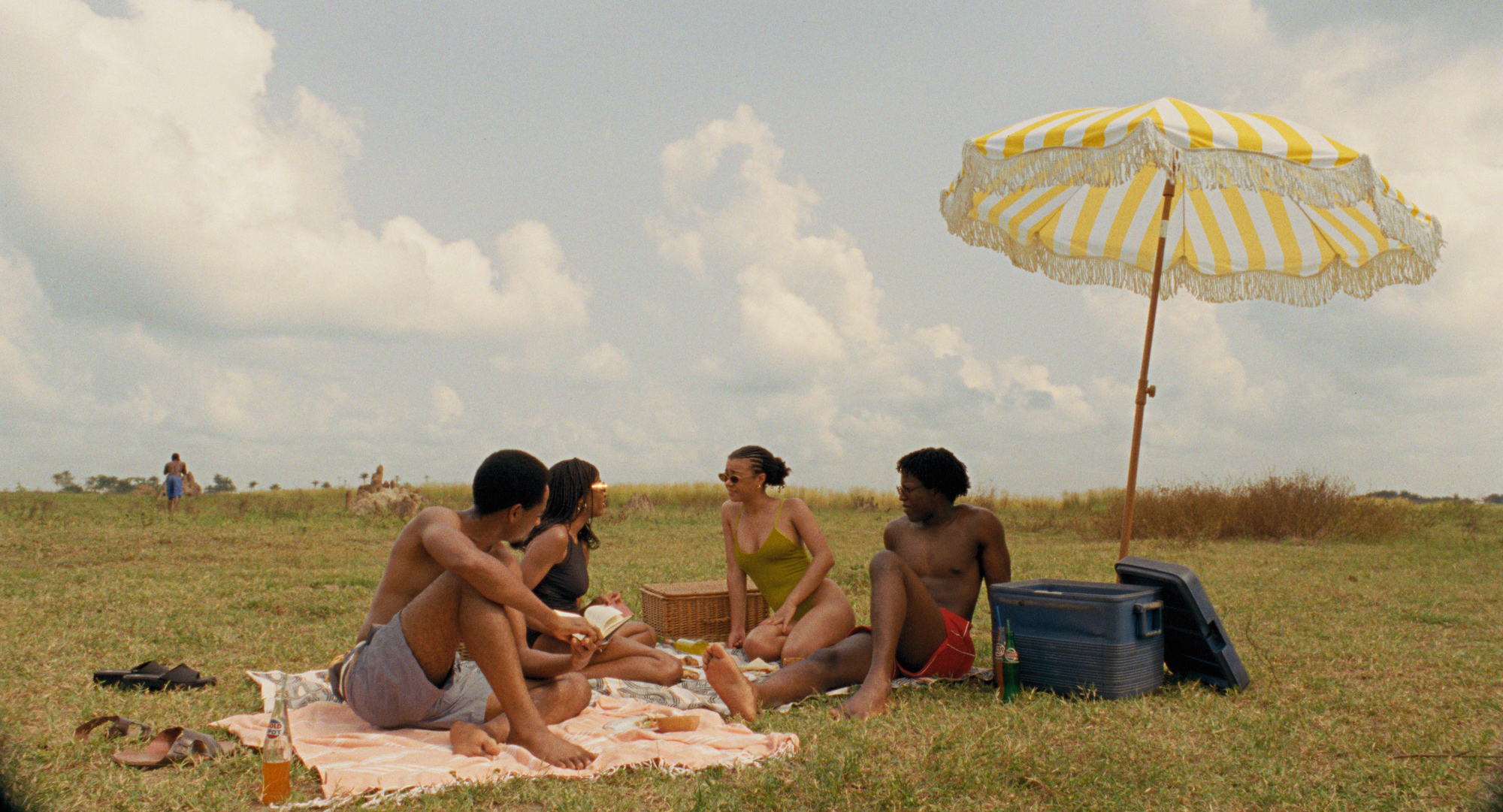
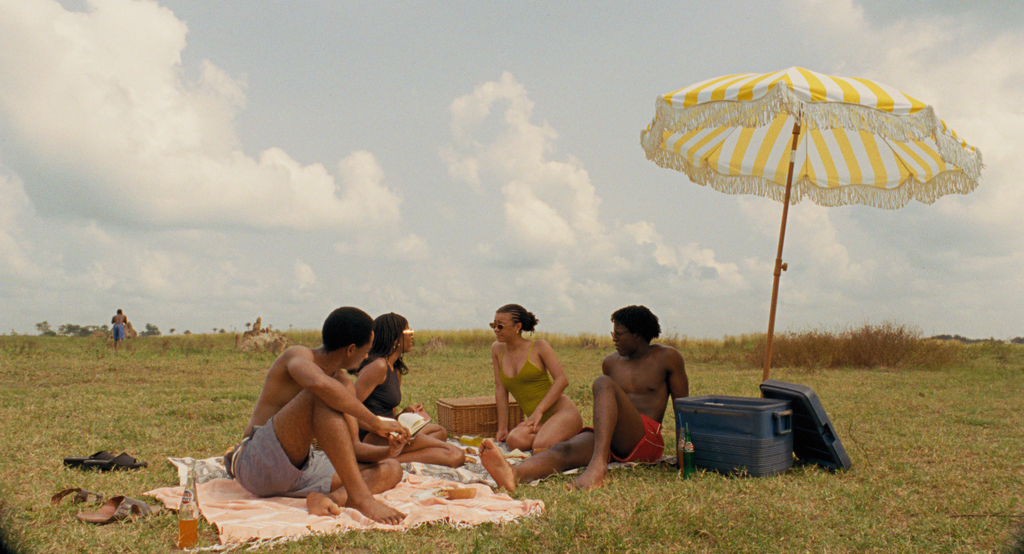
This screen adaptation of Virginia Woolf’s Mrs. Dalloway moves between two timelines: contemporary Lagos and Abraka, Nigeria, thirty years ago. The present day follows society wife Clarissa (Sophie Okonedo) as she prepares for a party where people from her past are about to enter. As we drift to the earlier timeline, we see that one hazy summer was Clarissa’s last moment before she made a big decision about who she wanted to become. Arie Esiri and Chuko Esiri’s feature moves at a leisurely pace with quiet, compelling observation. The 35mm film adds a distinct warm grain, enhancing each character’s moments of introspection. The younger cast, including Ayo Edebiri and India Amarteifio, are also incredibly captivating, mirroring their present-day selves.
La Gradiva
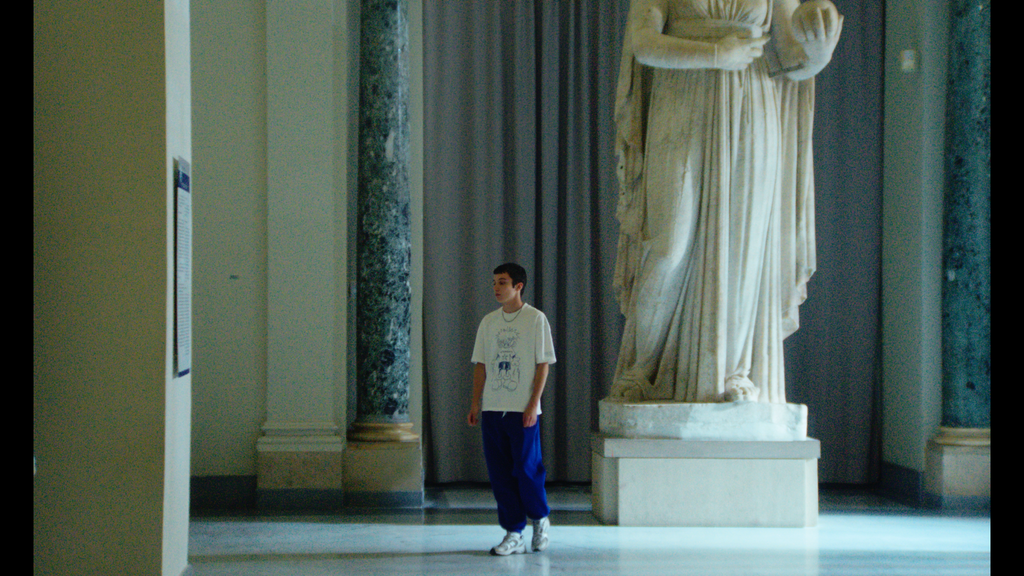
Marine Atlan’s debut film is a vibrant and moving coming-of-age story that you can get entirely lost in. A group of French students are on a final school trip to Pompeii and Naples, where they spend their last moments before entering adulthood. Watching it may take you back to your own school trips: being forced to socialize and work with your peers; the dread of being paired up with someone you have nothing in common with; maybe you have fun with your friends, think about crushes, or feel incredibly alone. What could have devolved into two-dimensional portrayals of school ‘archetypes’ like mean girls or class clowns instead becomes a sensitively observed insight into the inner lives of different teenagers. The classmates can argue, make fun of each other, even be cruel, but they share a sense of camaraderie on the trip that only exists during this unique time in adolescence.
In a Whisper
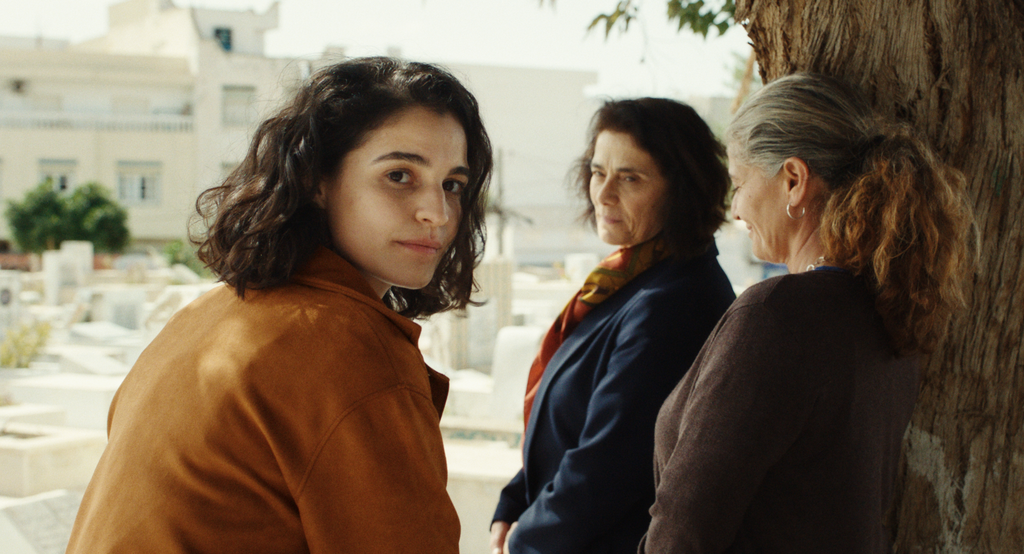
Leyla Bouzid’s third feature is an intimate drama following Paris-based Lilia (Eya Bouteraa) returning to her home city of Sousse, Tunisia, for the funeral of her uncle Daly, who has died in mysterious circumstances. As we learn more about Daly, it becomes clear this is a story of family parallels, tensions and the search for acceptance. In France, Lilia lives with her girlfriend, Alice (Marion Barbeau), and doesn’t have to conceal her sexuality. At her family home, however, Alice quickly becomes her ‘roommate’ and forces queer life to exist within harsher confines. The core of the film is the relationship between Lilia and her mother (Hiam Abbass), anchored by compelling performances from both actresses. The film’s warm cinematography brings the Tunisian city to life on screen and Bouzid lets moments of silence reveal more than dialogue.
Josephine
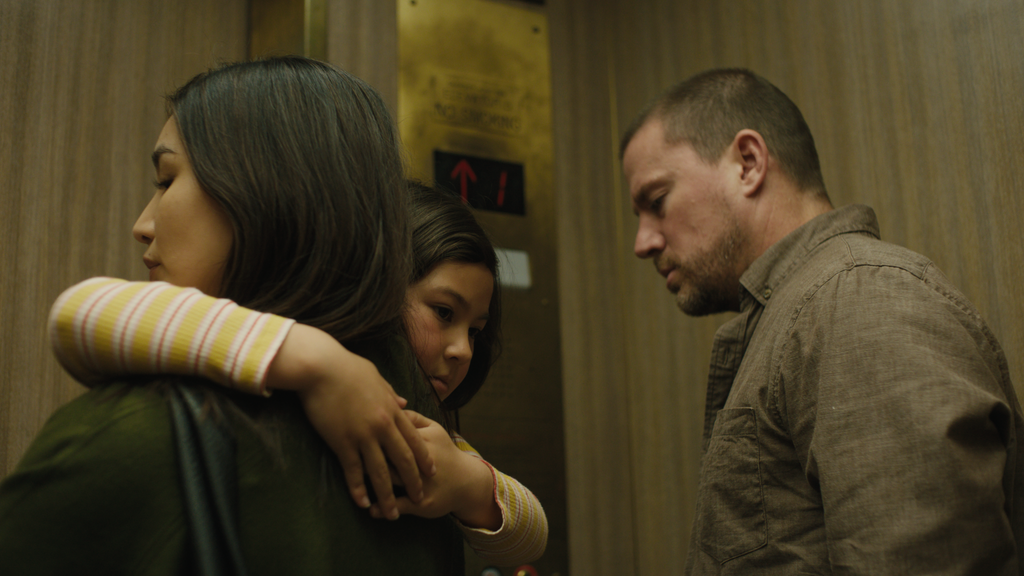
Beth de Araújo’s film is all about the aftermath. Josephine (Mason Reeves) is an eight-year-old girl on an early morning run in the park with her dad (Channing Tatum) when she witnesses something that shatters her world forever. The film is filtered through a child’s eyes, not cutting away from the scene of a violent sexual assault that takes away her innocence and sense of safety. Josephine’s confusion and anger all trace back to this moment as the film conveys how trauma has permanently shaped the way she interacts with everything around her. Araújo reminds us that even when consequences and justice seem clear-cut, the failures of the legal system are painful and ever-present. There’s no denying that Josephine is a hard watch, made even heavier by constant real-life examples of such trauma and injustice. That’s what makes it important viewing.
Furies
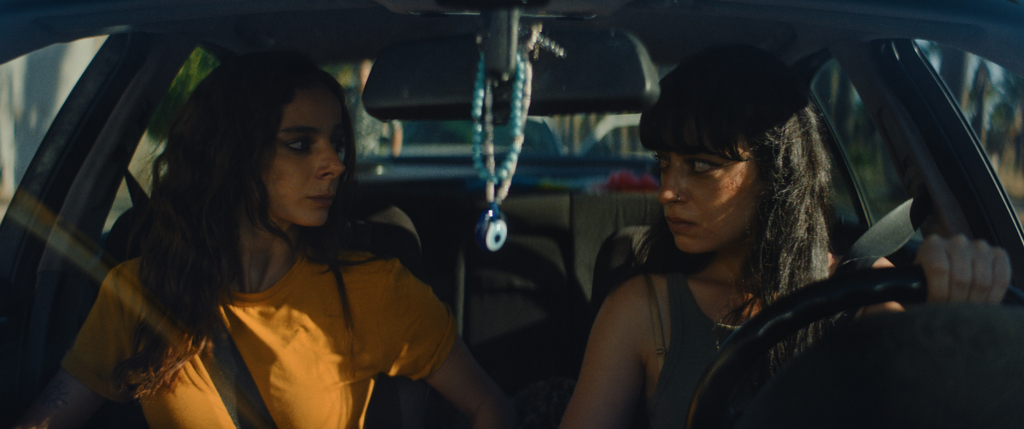
Rami Kodeih’s Lebanese heist thriller sees two sisters pushed to vigilante action in order to battle against an unjust system. It’s the spring of 2022 and the economic collapse of Lebanon has been going on for three years. The banks won’t give customers their own savings and people are getting desperate. In Beirut, Dalia (Maria Nakouzi) needs money for cancer treatment and when her older sister, Maro (Rym Mroueh), pleads with the bank manager, she is met with bureaucratic dismissal. What legal option are they left with? The film soon dives into compelling action and messy adventure as we become immersed in the siblings’ high-stakes world. You’d be right to think of film icons Thelma & Louise. Maro and Dalia might just be the modern embodiment of them: two women raging against the machine.
The Face of Horror
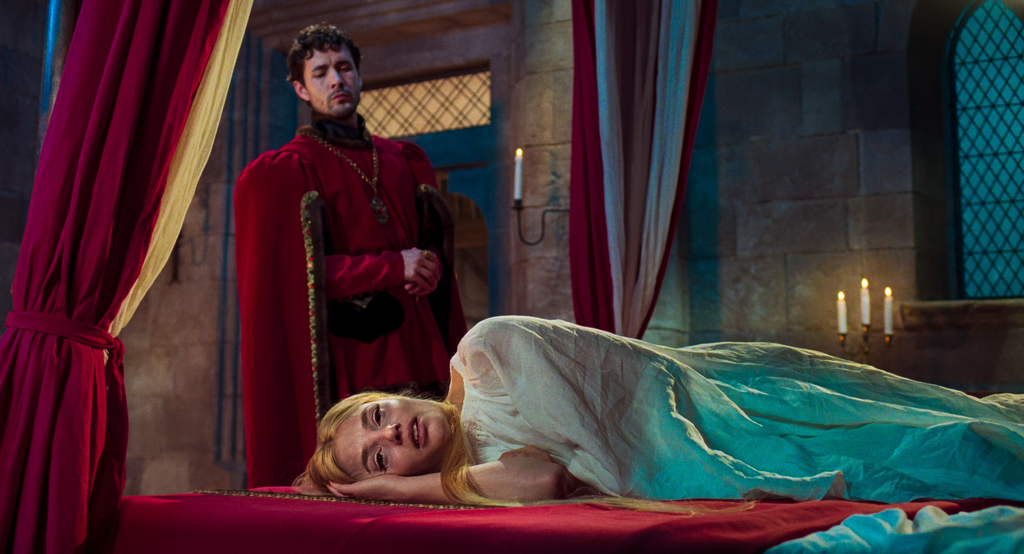
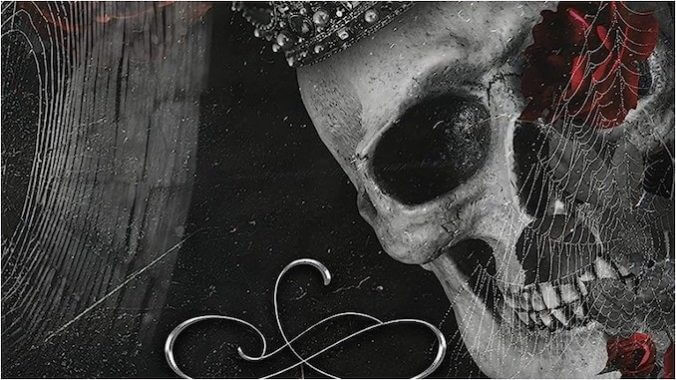
Have men really changed since medieval times? Anna Biller’s new technicolour comedy-horror is a story of fairytale marriage turned repulsive nightmare. Watching this at the Prince Charles Cinema was particularly fitting for the film’s retro visuals. Edward Carnifex (Jonah Hauer-King) is a knight of dubious morals enchanted by the beauty of fair maiden, Eleanor (Kristine Froseth). So naturally, when he doesn’t get his own way in persuading her father to allow the marriage, violence is the only answer. Beneath Edward’s charm and promise of safety for his bride is a sinister entitlement and lack of empathy. He didn’t sign up to the realities of domestic life; why should he feel trapped in a life he committed to? Biller’s film, like her previous The Love Witch (2016), is visually striking. It’s a love letter to the golden age of cinema, striking the perfect balance between style and substance. The sisterhood between Eleanor and Beatrice (Ellie Bamber) becomes the film’s core, with female vengeance propelling the narrative.
Fjord
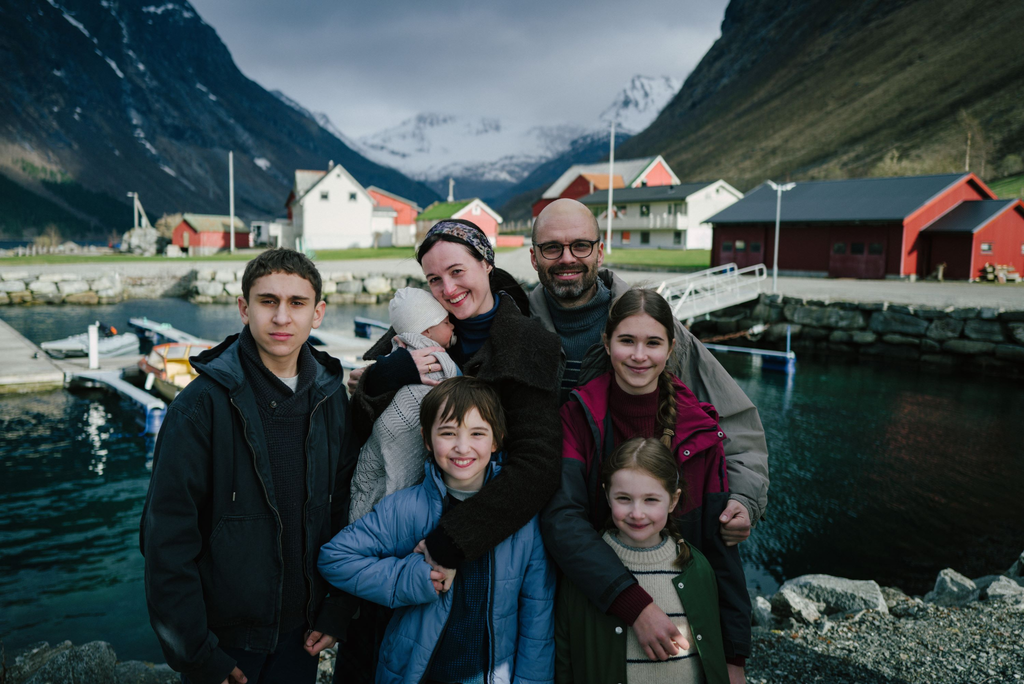
“Am I on trial for my beliefs?” asks father Mihai (Sebastian Stan) from the witness stand. Cristian Mungiu’s film examines what happens when a progressive, liberal society is so concerned with the image of its own virtue that it’s willing to eliminate any threat to this. The Gheorghiu family moves from Romania to a Norwegian coastal village, where cultural clashes soon bring tension. They are devout evangelical Christians living in a community that takes its secularism so seriously that even the playing of a hymn on a school piano is quickly shut down. That is not to say the film doesn’t also examine the traditional beliefs of the Gheorghiu family. When bruises are spotted on the back of older sibling Elia (Vanessa Ceban), we, too, question how they got there. Fjord is full of ambiguities and nuance, not offering easy answers to challenging questions about assimilation, parenting and moral good. It will certainly spark discussion when more audiences can see it.
Full reviews coming soon:
Artificial
Luca Guadagnino’s exploration of OpenAI’s founding and rise is easily the spiritual successor to The Social Network (2010).
Club Kid
Jordan Firstman’s directorial debut is hilarious and heartbreaking.
I Love Boosters
Boots Riley’s new surreal, anti-capitalist fever dream is everything cinema should be.
I See Buildings Fall like Lightning
Clio Barnard’s latest film is a powerful and bittersweet ensemble drama that hits hard with the realities of being a young person in modern Britain.
The Debut
Julianne Moore is a star as Mona in Jesse Eisenberg’s new film.
Leave a Reply